A portfolio is an edited introduction. It should help someone understand what you can photograph and whether your approach fits their project. An archive can hold everything; a portfolio needs a reason for each inclusion.
I would start with the kind of enquiry the portfolio should encourage. That does not mean hiding personal work or pretending to have a narrow interest. It means giving the viewer a clear route through the work instead of expecting them to organise it themselves.
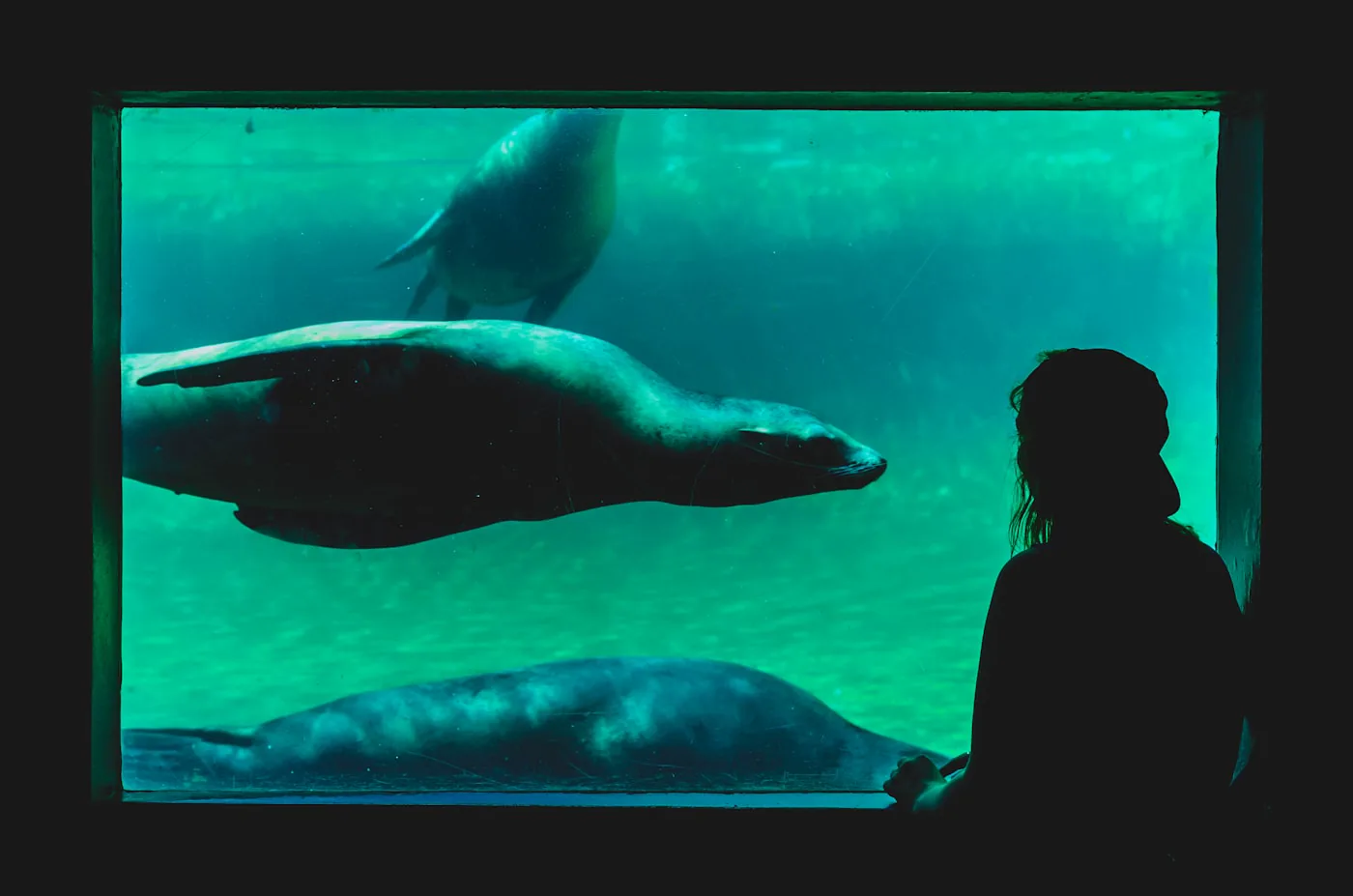
Name the job of the collection
Choose a purpose for each selection: event coverage, portraits, places, products or a personal visual study. If a collection mixes several of those, explain the connection. A sequence organised around light or texture may be coherent even when the subjects vary.
Ask what a visitor should be confident about after viewing it. Perhaps they should see that you can describe an event through people and details, or photograph a space clearly without making it feel empty. That is a useful test for adding or removing an image.
Select for relevance as well as affection
A personal favourite may carry memories that are invisible to everyone else. It can still belong, but it needs to work on the page. Check whether the viewer has enough context to understand why it matters.
I would put each candidate through three questions: is it strong on its own, does it contribute something distinct, and does it support the purpose of the collection? If it answers only the first, it might suit a different collection rather than this one.
Show range without repeating yourself
Range can mean different subjects, but it can also mean showing different photographic decisions. A wide establishing image, a close detail and a people picture may demonstrate more useful variety than ten landscapes with similar compositions.
For an imagined event portfolio, one excellent stage photograph is not enough to establish coverage of arrivals, interactions and atmosphere. Conversely, a selection full of every possible situation may dilute the strongest work. Keep enough breadth to explain your capability, then remove redundant examples.
Arrange the opening and ending deliberately
Choose an opening image that makes the collection's purpose clear. It need not be the most dramatic photograph if that would set the wrong expectation. Follow it with work that develops the idea rather than immediately repeating it.
Review neighbouring pictures for accidental clashes or monotony. Similar colours can create continuity, while a change of scale can provide a useful pause. End with something that feels resolved. Avoid leaving the weakest remaining image at the end simply because it was uploaded last.
Review with a fresh viewer
Ask someone to describe what they think you offer after a short look. Do not explain the intended answer first. If they miss an important capability, inspect whether it is actually visible in the selection and whether its context is clear.
Keep a record of changes so that you can compare versions without relying on memory. Add newer work when it improves the collection, not merely because it is newer. A useful portfolio demonstrates judgement through what you leave out as well as what you show. The same principle helps when choosing between near-duplicate photographs.