A caption should help a viewer understand the photograph, not merely repeat what is obvious. “A building” adds little to a picture of a building. Its name, the viewpoint or why it belongs in a sequence may be much more useful.
I also want a caption to stay within what is known. A picture can suggest a mood or a relationship without proving either. Clear, modest information is better than an impressive description that invents the circumstances.

Separate visible description from supporting facts
Start with the information you can confidently identify. That might be the place, the activity or the object. Add a date when you know it and it matters to the use. An upload date is not automatically the day the photograph was taken.
Then ask which facts come from outside the image. A person's name, their role or the reason an event happened should come from a reliable source. Check spellings before delivery, especially when someone else will paste the caption into a publication without asking you again.
Do not infer more than the photograph shows
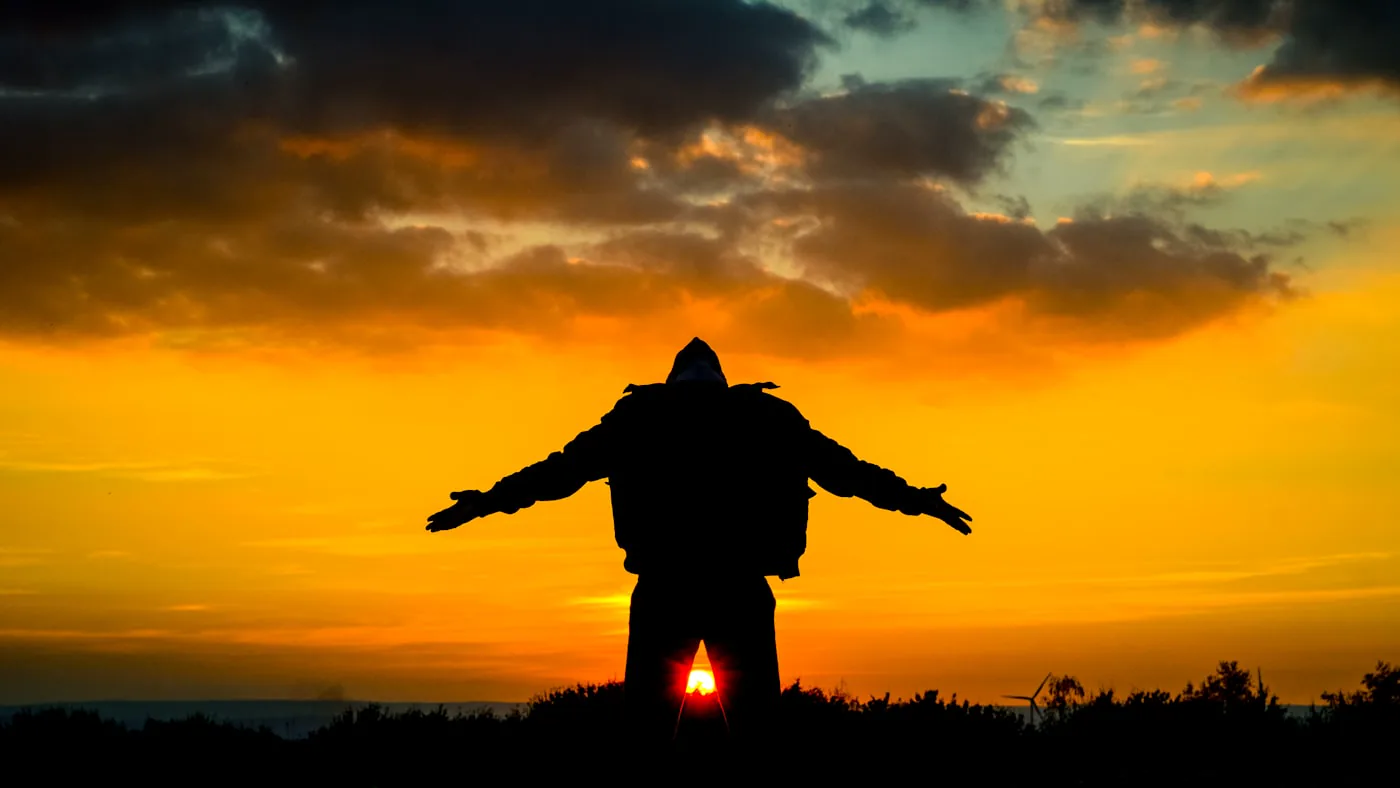
This caption leaves the time of day and the person’s mood open. Neither needs inventing to make the image work.
Two people standing together are not necessarily colleagues. A thoughtful expression does not establish sadness. Warm sky colours do not reliably tell you whether the scene is sunrise or sunset. If that information is not known, leave it out or describe only what the image supports.
I would be particularly careful with captions that could change how someone is perceived. The job is to identify and explain, not to manufacture a story around an expression caught for a fraction of a second.
Add the missing piece

Here the short caption explains something easy to misread: this is a colour photograph, despite its nearly monochrome appearance.
Look at the photograph and ask what a viewer reasonably needs to know. In an architecture series, the location and the direction of the view may help. In a workshop sequence, the stage of the process may be more useful than a list of everyone's clothing colours.
For an imagined set about a handmade object, captions might distinguish preparation, shaping and finishing. The photographs show the actions; the captions make their order and purpose clear. You can keep the language short because the image is already doing part of the explanation.
Keep interpretation separate when you want it

The visible action is enough. Add the performer or venue only when you have verified them; a short caption need not pretend to identify everything.
A personal photo essay can include feelings, memories or reflections. Make it clear that those belong to your account rather than presenting them as an objective fact about everyone pictured. A title can be expressive while the accompanying caption remains factual.
For example, a reflective title about quietness does not require claiming that a place was empty all day. You can describe the moment you recorded and leave the broader interpretation open. That often gives the viewer more room to engage with the photograph.
Keep captions attached to the correct files
Use stable filenames and a caption list that refers to them exactly. If you change the selection, check that the list changes with it. A perfectly written caption paired with the wrong photograph can be more misleading than no caption at all.
Distinguish a general collection introduction from a caption that belongs to one image. Include the photographer credit and any agreed usage information in a consistent place, so the recipient does not have to reconstruct it from an email thread.
Read the caption beside the final crop
A crop can remove the person or detail the caption refers to. Review the final pairing, not just the original full frame. Check that a sequence still makes sense if a publisher uses only one image from it.
Before handing over, read every caption without your memory of the shoot doing the missing work. Is it accurate, useful and matched to the file? That small check helps the photographs travel well beyond the conversation in which you first explained them.