A folder full of sharp event photographs can still leave someone unsure what happened. Perhaps every frame is a close-up, the venue is never shown or the people doing the work barely appear. I plan coverage around the story a viewer needs to understand, then leave room for moments I could not predict.
The aim is not to manufacture a tidy narrative. It is to make a useful record of the event that actually takes place. A simple coverage plan helps you notice missing pieces while there is still time to photograph them.
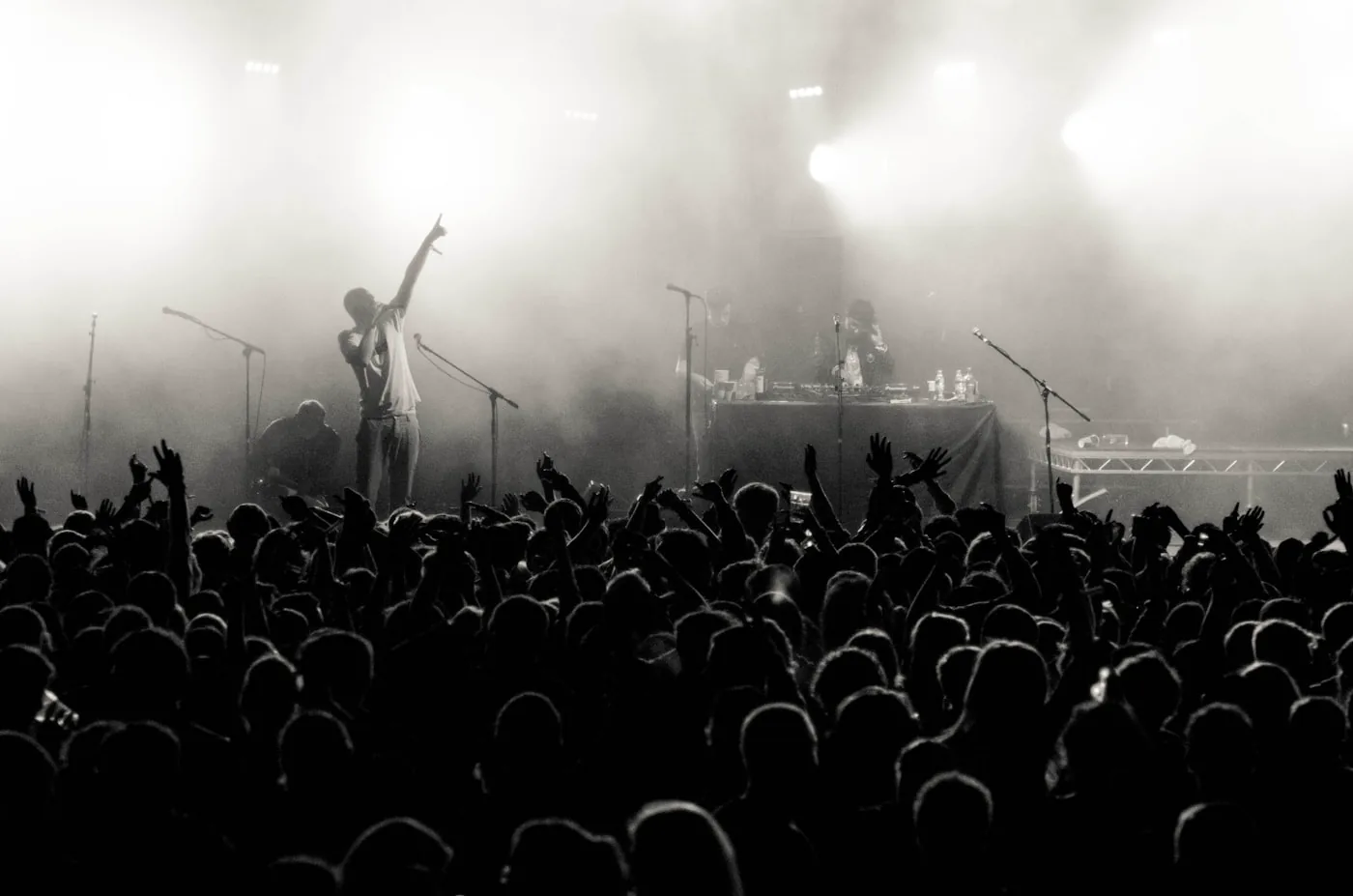
Write down the event's purpose
Ask the organiser what the photographs need to communicate. A community workshop, a product launch and a music night have different priorities. Find out who will use the images, where they will appear and which moments cannot be repeated.
Turn that information into a short brief. Include timings, a contact person, access arrangements and any people or areas that should not be photographed. If the organiser needs a group picture, agree when it will happen rather than hoping everyone remains at the end.
Plan a mixture of distances
I would build a basic coverage list around four useful views: the place, people doing something, closer interactions and details that make this event specific. A sign or programme may identify it; a wide room view establishes context; a conversation or demonstration explains the activity.
These are prompts rather than quotas. An empty room does not necessarily need five photographs, and an important exchange may deserve several attempts. The purpose is to avoid returning with one kind of frame repeated throughout the evening.
Watch transitions as well as headline moments
Arrivals, preparation and the gaps between scheduled activities can contain useful pictures. They can show how the space works and how people relate to it. Keep track of the running order so that observing those moments does not cause you to miss the main activity.
For an imagined workshop, a small sequence might show the room being prepared, someone demonstrating a process, participants trying it, a close detail of the work and the finished pieces being discussed. Each picture adds information. Six versions of the demonstration would tell a narrower story.
Check your coverage during a natural pause
Review a few frames when the event allows it. Are faces readable? Is an important section of the room absent? Have you photographed only the most visually obvious people? A brief check is useful; repeatedly disappearing into the camera screen can make you miss what is happening.
If a required picture is missing, speak to the contact person. Do not interrupt an activity without understanding the consequences. Sometimes the right decision is to record a limitation honestly rather than stage a replacement that misrepresents the event.
Select for a viewer who was not there
When editing, choose an opening image that establishes the event, then arrange a small selection so that each frame contributes something. Remove near-duplicates unless they show a meaningful progression. Check names and descriptive captions with an appropriate source before handing them over.
Finally, compare the selection with the brief. A beautiful atmosphere shot may not fulfil a requested sponsor image, and a useful record photograph may not be the strongest cover picture. Keep those roles clear. A proper photography brief makes that judgement easier before and after the shoot.